Introduction
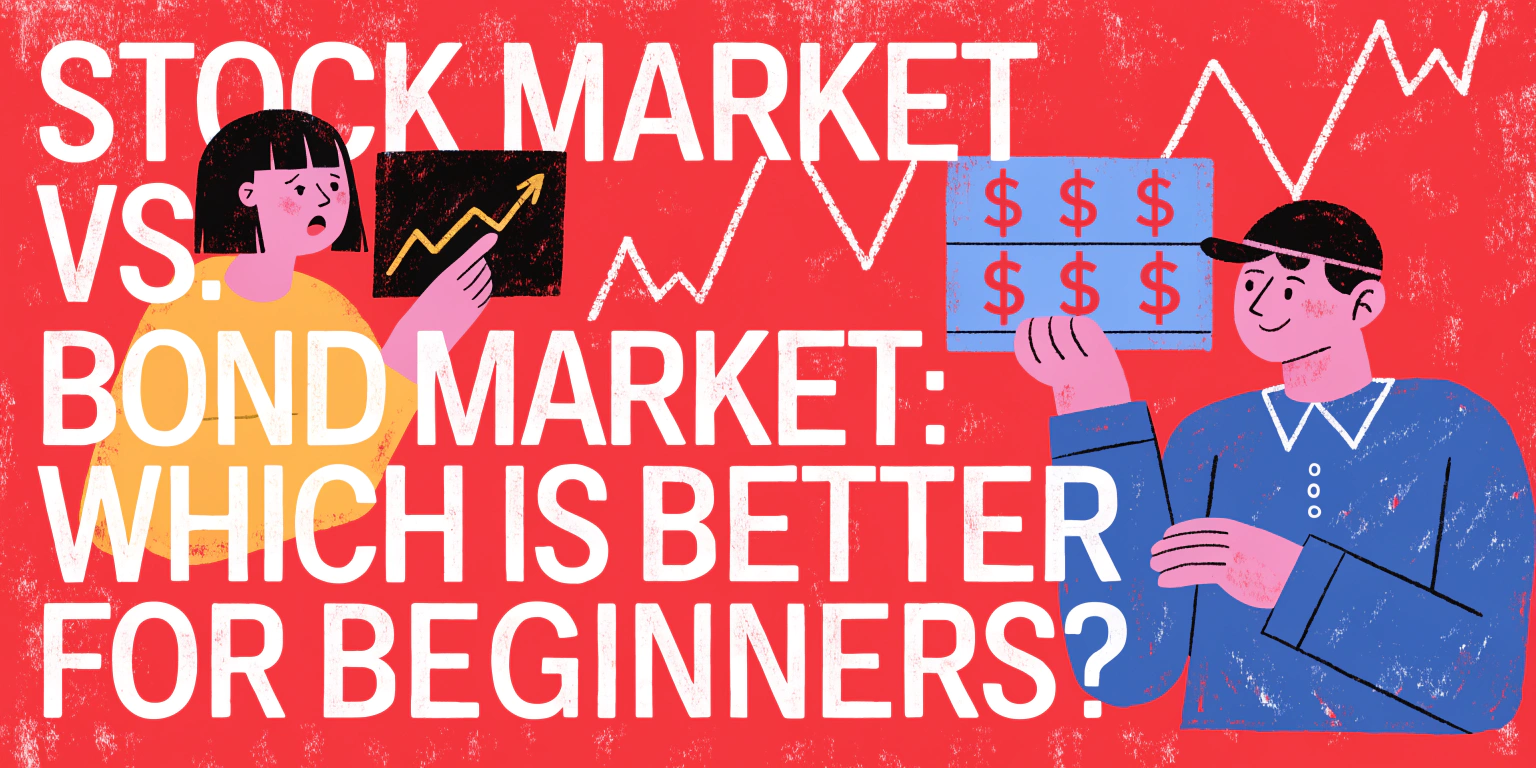
For many beginners, understanding the differences between the Stock Market vs. Bond Market is the first step in building a balanced investment portfolio. Both have distinct advantages and disadvantages, and each plays a critical role in a well-diversified portfolio. In this article, we’ll break down the key differences between stocks and bonds, explore their benefits and risks, and help you decide which one—or both—should be part of your investment strategy in 2025. Whether you’re looking for growth, stability, or income, we’ll guide you through how each market fits into your overall investment plan.

What Is the Stock Market and How Does It Work?
Practical Tip: The stock market is a place where companies sell ownership stakes (stocks) to raise capital. Investing in stocks can offer high returns but comes with higher risk.Real-World Example: Jane invested $3,000 in a tech company’s stock in 2022. By 2025, the stock price had tripled, offering her a significant return on her investment.Pro-Tip: If you’re just starting, focus on index funds or ETFs that track a broad market index, like the S&P 500, to reduce risk.
Key Benefits of Investing in Stocks
Potential for High ReturnsStocks are historically one of the best ways to build wealth over time, with the potential for significant returns as companies grow.Dividend PaymentsSome stocks pay dividends, which provide investors with regular income. These are typically found in blue-chip or established companies.LiquidityStocks are easily bought and sold on the stock market, providing high liquidity for investors who need access to their money.Mini Case Study: David started investing in blue-chip stocks like Coca-Cola and Johnson & Johnson in 2021. By 2025, he not only saw appreciation in his stock prices but also enjoyed steady dividend payments.
What Is the Bond Market and How Does It Work?
Practical Tip: Bonds are essentially loans you make to companies or governments in exchange for regular interest payments. They’re considered safer than stocks but tend to offer lower returns.Real-World Example: Sarah bought a U.S. Treasury bond in 2023 with a 3% annual interest rate. Over the next few years, she earned steady returns while keeping her principal safe.Pro-Tip: Bonds are a great way to reduce risk in your portfolio, as they tend to be less volatile than stocks.
Key Benefits of Investing in Bonds
Lower RiskBonds are typically less volatile than stocks and provide steady income through interest payments.Predictable ReturnsBonds offer predictable returns, as the issuer commits to paying you a fixed interest rate over a set period of time.DiversificationAdding bonds to your portfolio can provide stability, especially when the stock market is experiencing a downturn.Pro-Tip: Municipal bonds or corporate bonds offer tax advantages and potentially higher yields compared to government bonds.
Stock Market vs Bond Market: Key Differences

| Factor | Stock Market | Bond Market |
| Risk Level | High (potential for high returns, but volatile) | Low (steady income, lower returns) |
| Return Potential | High (based on company growth and performance) | Low (fixed interest, lower growth) |
| Investment Horizon | Long-term (years to decades) | Short to medium-term (usually a few years) |
| Liquidity | High (can be bought or sold anytime during market hours) | Lower (bonds are less liquid than stocks) |
| Income | Dividends (if applicable) | Regular interest payments |
Which Is Better for Beginners: Stocks or Bonds?
Practical Tip: The choice between stocks and bonds depends on your investment goals, risk tolerance, and time horizon.For Long-Term Growth: Stocks are a great option for those looking to build wealth over time, as they tend to offer higher returns.For Stability and Income: Bonds are a safer option if you prefer predictable returns and want to reduce portfolio risk.The Best of Both Worlds: For many beginners, the ideal portfolio includes both stocks and bonds, allowing you to take advantage of high-growth stocks while reducing risk with stable bonds.
Information Gain – The Role of Inflation-Linked Bonds in 2025
In 2025, with inflationary pressures continuing to rise, inflation-linked bonds (like TIPS, or Treasury Inflation-Protected Securities) have become more appealing. These bonds offer interest payments that increase with inflation, providing a hedge against rising prices. This is an aspect that most beginners overlook when investing in the bond market.Pro-Tip: If you’re worried about inflation eroding your returns, consider adding inflation-linked bonds to your portfolio as a way to protect your investments.Unique Section: Real-World Scenario – A Beginner’s Balanced PortfolioScenario: Samantha is a 30-year-old beginner investor who wants to build a balanced portfolio. She allocates 60% of her money to stocks (focused on growth and dividends), 30% to bonds (primarily Treasury bonds for stability), and 10% to real estate (through a REIT).Pro-Tip: Rebalancing your portfolio every year ensures that you maintain your desired allocation, especially as market conditions change.
FAQ Section
What’s the main difference between stocks and bonds?
Stocks give ownership in a company, while bonds are loans that pay interest.
Are stocks riskier than bonds?
Yes, stocks are generally riskier but offer higher long-term growth potential.
Should beginners invest in stocks or bonds?
Beginners usually benefit from a mix of both based on risk tolerance.
What are the benefits of adding bonds to a stock portfolio?
Bonds provide stability, regular income, and help reduce portfolio volatility
How do I choose between stocks and bonds for my portfolio?
Decide based on your goals, time horizon, and risk tolerance.
What is the best way to get started with both stocks and bonds?
Use diversified mutual funds or ETFs that include stocks and bonds.
Can bonds protect against stock market volatility?
Yes, bonds often help cushion losses during stock market downturns.
Conclusion
Deciding between the stock market and the bond market as a beginner depends on your personal financial goals and risk tolerance. Stocks offer high growth potential but come with higher risks, while bonds provide stability and predictable income. Ideally, beginners should consider a mix of both to create a diversified portfolio that balances risk and return. By understanding how each market works and how to strategically allocate your funds, you can set yourself up for long-term financial success.
Internal & External Links
Internal Link: How to Build a Diversified Investment Portfolio
External Link: Morningstar’s Guide to Stock vs. Bond Investment